











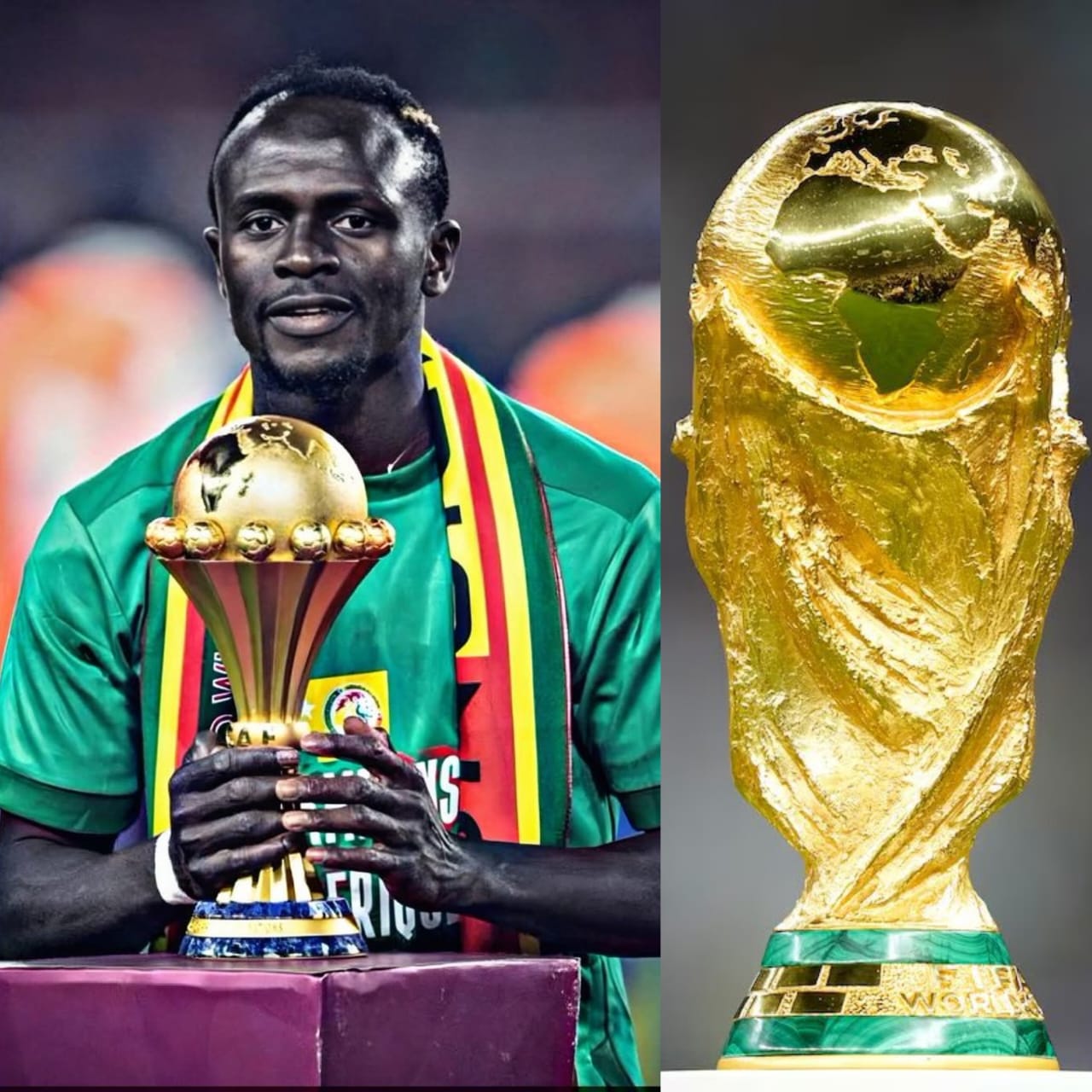
The Senegal Football Federation (FSF) and kit manufacturer Puma have officially unveiled the Teranga Lions’ jerseys for the 2026 FIFA World Cup, but the design has ignited immediate controversy. Despite claiming the 2025 Africa Cup of Nations (AFCON) trophy, Senegal’s new shirt features only a single star above the crest, a move that highlights the ongoing friction between the FSF and the Confederation of African Football (CAF).
According to a statement released by the FSF shortly after the Friday kit launch, the absence of the second star—intended to commemorate their 2025 continental triumph—is a matter of logistics rather than a lack of intent. The federation explained that Puma’s manufacturing deadlines for the global tournament were finalized before the team was controversially stripped of the title by CAF.
However, the FSF remains defiant. While the tournament kits will remain as they are for the opening rounds, the federation confirmed that a revised version of the jersey, complete with the disputed second star, is already in production. These updated shirts are expected to hit the market in September, signaling Senegal’s refusal to recognize the CAF ruling that revoked their status as 2025 champions.
The kit controversy in Dakar is reverberating far beyond Senegal’s borders, finding a particular resonance in Ghana’s bustling “Jersey Markets” and sports retail sector. In hubs like Kantamanto and Makola, the demand for West African football apparel is a significant driver of local trade.
For Ghanaian entrepreneurs, the FSF’s decision to release a second “corrected” version of the kit in September creates a complex scenario:
- Currency Pressure: As local vendors prepare to import the new September stock, the continued fluctuation of the Ghanaian Cedi against the US Dollar remains a hurdle. Higher import costs for “limited edition” or “protest” kits could squeeze profit margins for small-scale retailers.
- Supply Chain Volatility: The dual-release strategy forces Ghanaian business owners to decide whether to stock the current “single-star” version or wait for the “double-star” shipment, risking capital in an environment where inflation still dictates consumer spending power.
“We are seeing a trend where football kit politics directly affect the street price in Accra,” says local sports merchandiser Kwesi Mensah. “If the September kit becomes a symbol of defiance, the demand will spike, but so will the cost of bringing them in.”
As the Teranga Lions prepare for the global stage, the “missing star” serves as a powerful psychological motivator for the squad and a rallying cry for fans. While Puma has yet to comment on the diplomatic fallout with CAF, the commercial success of the September “rebel” kit seems almost guaranteed across the continent.
The FSF has made its stance clear: the history of Senegalese football is written by the players on the pitch, not by administrators in a boardroom.